(512) 985-4982
 info@adamslawnservice-austin.com
In Austin, TX, May can feel friendly one day, then turn sharp and dry the next. That shift is exactly why many homeowners start wondering if a mulch refresh is worth doing before summer settles in. Mulching can help beds look finished, but it also protects the soil as the sun starts to bite harder. Keep reading to see what makes May a smart window, and when it might be better to wait.
Mulching Timing to Protect Yards From Heat
Landscaping Signs Your Mulch Is Fading In May
May is often a sweet spot for mulching because the ground is warm enough for plants to grow, but it is not yet at peak heat. A fresh layer helps block the sun from baking the soil, so moisture does not disappear as fast after watering. It also gives roots a bit of protection when afternoon temperatures jump. Homeowners who want beds to look more cared for usually notice the difference right away, especially around shrubs and small trees. Mulching in this window can help a yard retain its color longer once the hotter weeks arrive.
It is also helpful to know what “worn out” mulch looks like, since not every bed needs a full refresh. If the color has faded into a pale, dusty look and the soil starts peeking through, that is a common sign. Another clue is when weeds seem to pop up faster, since thin coverage gives them a better chance of taking hold. Sometimes the bed line looks messy because old mulch breaks down into small pieces that move easily after rain. Good landscaping is not only about adding material, but it is also about knowing when it is actually needed.
Maintenance Timing That Keeps Beds Cooler
Timing matters because adding mulch right before a heat wave can make watering feel stressful for a week or two. A better approach is to choose a mild stretch of days, then water the bed well after the work is done. In Round Rock, TX, it is common to have a warm day followed by a windy one, and that wind can quickly dry out the top layer. That is why mulching should be paired with a simple watering plan so the soil below stays damp, not just the surface. It also helps to install mulch after weeds are pulled, since covering weeds is like hiding a problem instead of fixing it.
There is also such a thing as too much mulch, and it causes headaches that show up later. Thick piles against trunks can hold moisture where it should not be, leading to rot and pests. Beds near the house should have a clean gap beneath the siding so moisture does not accumulate where termites like to travel. A neat, even layer looks better, works better, and is easier to keep in place. Most homeowners do not want to be redoing the same bed again in a month, so careful placement is worth the extra attention.
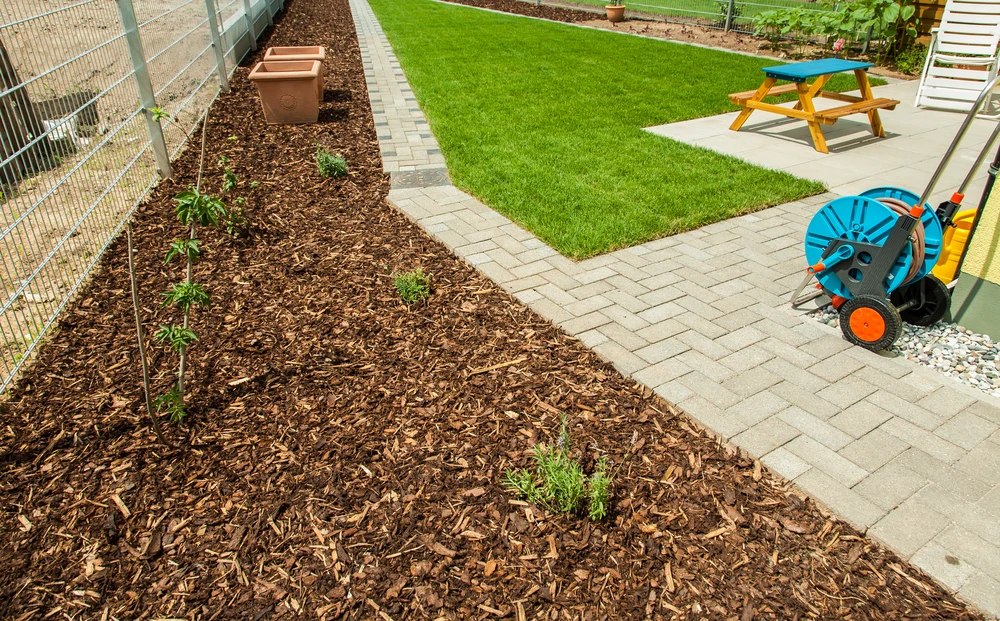
Proper Mulching Depth for Beds Around Trees
Landscaping Details That Prevent Root Stress
Depth is where many mulch projects go wrong, because a bed can look full while still creating problems below. For most beds, a couple of inches is usually enough to shade the soil and reduce weed pressure. When the layer gets too deep, water may not soak in evenly, and roots can stay too close to the surface. Mulching should protect roots, not smother them, especially around younger shrubs that are still getting established. Keeping the root flare visible on trees also matters because mulch piled up high can trap moisture against the bark.
Mulch type makes a difference, too, and it is not only about color. Shredded mulch tends to lock together better than chunky pieces, which helps it stay put after rain or blowing. Some homeowners like cedar for its scent and natural insect resistance, but it can be more expensive and fade faster in full sun. In Round Rock, TX, the best choice often depends on the bed's exposure and whether the yard is exposed to strong winds from open areas. Mulching can still look high-end without picking the most expensive option, as long as it is installed cleanly and kept at a sensible depth.
Mulch Maintenance Habits for Longer Life
Once mulch is down, the everyday care is what keeps it looking fresh, not the day it was installed. A leaf blower aimed the wrong way can scatter mulch into turf and leave thin spots in the bed. Heavy rain can also carve small channels, especially on slopes, so those areas may need a little raking to put the material back in place. If weeds show up, pulling them early is easier than waiting until they root deeply. The goal is not perfection; it is keeping the bed from turning patchy by mid-summer.
Some homeowners ask if it is better to top off mulch each year or remove everything and start over. In most cases, topping off works fine when the old layer is breaking down evenly, and there is no serious weed issue underneath. Suppose the bed has turned into a thick, spongy mix. Removing some old material can help, because too much buildup can affect how water moves through it. Mulching also looks better when the bed edge is redefined, since a clean line keeps the yard from looking blurred. A good refresh should feel like it supports the plants, not like it is hiding a mess.

Mulching Touchups That Prevent Washouts
Strong Landscaping Edges Stop Washout
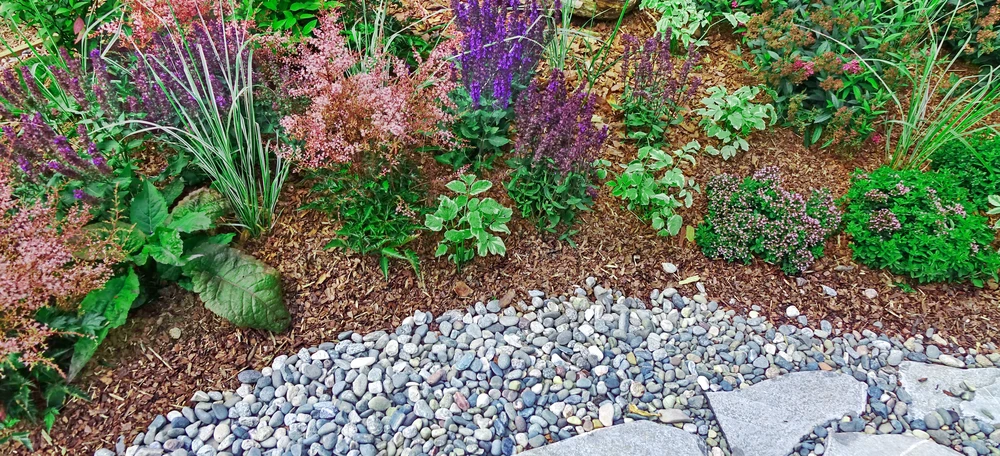
Spring storms can hit hard and fast, and mulch is often the first thing that gets tossed around. This is where edging becomes more than a style choice; it becomes protection for the bed itself. Some homeowners add stone edging or paver borders around hardscaping features, which can help keep mulch from sliding into walkways after heavy rain. In Austin, TX, beds beside a driveway or path often get hit by runoff first, so the edge detail really shows. Mulching in these areas is usually more successful when the border is strong enough to hold material in place.
Water direction matters just as much as edging, especially in yards with mild slopes. If water cuts through a bed like a shortcut, it can carry mulch away and leave roots exposed. That is why grading and bed shape should be checked before adding anything new. Sometimes the fix is simple, such as creating a shallow lip that guides water around the bed rather than through it. When the bed is built well, it does not look like it is fighting the weather all season.
Maintenance Check After Rain Keeps Beds Clean
After a storm, a quick check can save a bed from turning into a mess over the next few weeks. If mulch has drifted into turf, it is easier to rake it back right away before it gets chopped up by the mower. If water keeps pooling in one spot, that may indicate a deeper drainage issue rather than a mulch problem. In those cases, a French drainage solution can move water away from the bed line, preventing it from carving channels through the soil. Mulching can only do so much when runoff works against the bed every time it rains.
It also helps to look at downspouts, because they can dump a lot of water into a single area in a short time. Extending them away from beds keeps mulch from splashing and keeps soil from washing out. A well-shaped bed holds together better, looks cleaner, and keeps plants from dealing with exposed roots. Homeowners who stay on top of these small checks usually find that their beds stay presentable longer, even when the weather feels unpredictable.
Conclusion
Now that May is here, it is a smart time to think about how beds will handle the months ahead. A thoughtful mulch refresh, applied at the right depth and neatly placed, helps soil hold moisture and keeps beds looking cared for through summer. If a yard also has runoff issues or messy bed lines, handling those details early can save time later. That is why we at Adam's Lawn Service Austin focus on high-quality results, clear communication, and customer care that actually feels helpful. If your beds could use a fresh start before summer, contact us, and we will be glad to help.