(512) 985-4982
 info@adamslawnservice-austin.com
A paver patio can turn a plain backyard into the spot where people actually want to hang out. But in April, yards in Austin, TX can look “ready” on the surface while hiding drainage trouble and soft soil underneath. That is why homeowners do best when they look at the yard like a contractor would, not like a shopper picking colors. Keep reading, and this blog will walk through what to check before any stone goes down.
Paver Patio Layout Ideas For Better Backyard Living
Hardscaping Details That Keep Edges Strong
A good layout starts with how the space will be used on a normal week, not just on the day it gets finished. A paver patio that sits right outside a back door feels natural, but it also needs enough clearance so the door swing and foot traffic do not grind sand into the threshold. It helps to look at where people will carry food, where kids run, and where furniture will live when the weather flips from warm afternoons to surprise rain. If the patio is tucked too close to the house without planning, it can send water toward the slab or siding. A thoughtful builder plans the slope early because once the pavers are set, the shape is already decided.
Edges are where a patio often starts to fail, especially when the yard soil shifts after heavy rain. Homeowners should ask what kind of edge restraint will be used and where it will be anchored, because that detail keeps the outer rows from spreading. A paver patio without a firm edge can start to “walk” outward, and then the joints open up, and weeds find a home. Curves and corners also need extra care, since cutting pavers creates smaller pieces that can wobble without the right base. In April, when the ground is still holding moisture from spring storms, it is smart to plan for a base that stays locked in place. Strong edges are not a fancy extra; they are part of long-term stability.
Landscaping Plans For Shade And Root Control
Trees make a yard feel established, but they can complicate a patio project in ways many homeowners do not expect. When a paver patio sits near mature oaks or other large trees, roots can lift sections over time, and leaf drop can stain light-colored pavers. It is also worth watching where shade lands, because shaded areas stay damp longer after rain, and that can lead to slick spots and more algae on the surface. Homeowners do not have to remove every tree, but they should expect the design to respect what is already growing there. Sometimes the best answer is shifting the patio footprint a few feet rather than fighting the yard forever.
Soil and planting beds around the patio matter too, because loose mulch can wash onto pavers during a downpour. This is where landscaping choices connect directly to cleanup and maintenance. A simple border, a clean transition from bed to stone, and a clear plan for where water will go can save a lot of frustration later. In some yards, adding French drainage near a problem area prevents water from draining into the planting beds and dumping onto the patio surface. Homeowners should also consider where downspouts discharge, because a poorly placed splash can undo a lot of good work. A patio should look like it belongs in the yard, not like it was dropped onto it.
Proper Paver Patio Base Prep for Texas Soil
Hardscaping Base Layers That Handle Clay Soil
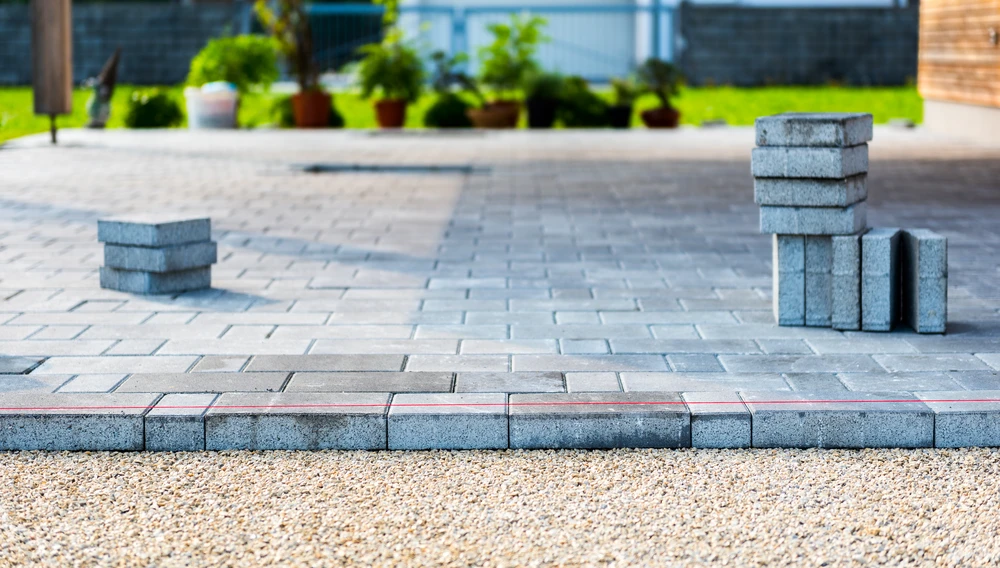
Base prep is the part no one wants to talk about, but it is the part that decides whether the patio stays flat. A paver patio is only as strong as what is under it, and Central Texas soils can swing between rock-hard and soft depending on moisture. Homeowners should ask how deep the excavation will be and how the crew plans to compact the base, because shallow prep often shows up later as dips and wobbly pavers. It is also fair to ask what materials will be used under the bedding sand, since good base stone compacts differently than random gravel. In hardscaping, the base is not where corners should be cut, even if the surface looks beautiful on day one.
Compaction is another detail that sounds simple until it is done wrong. A paver patio can settle unevenly if the base is not compacted in lifts, especially in areas where soil was disturbed or filled. Homeowners can look for signs of a good process, such as clean excavation lines, consistent depth, and equipment that fits the job rather than being rushed through with whatever is on the truck. If the yard has low spots that hold water after a storm, the base plan should include drainage help, not just extra sand. This is also a smart time to discuss whether French drainage is needed near the patio footprint, especially if water tends to sit near fences or the home’s foundation. When base prep is handled with care, the surface feels solid underfoot for years.
Landscaping Drainage Clues Around The House
Drainage clues are often sitting in plain sight, even before digging starts. If a yard has bare patches where grass struggles, or if there are water lines on fences after rain, those are signals that grading needs attention. A paver patio should never become the “new low spot” where water collects, because standing water can wash out joint sand and create uneven settling. Homeowners can walk the yard during or right after a rain to see where water moves, because that tells the truth in a way a sunny-day inspection never will. When water is handled well, the patio stays cleaner, and nearby beds stay healthier, too.
Drainage is also tied to the rest of the outdoor space, not just the patio outline. If a homeowner plans future landscaping work, such as new beds or a retaining wall, it needs to be coordinated now so the patio is not at odds with those changes later. This is where a crew with good communication skills helps, because the plan should account for downspouts, irrigation heads, and how the yard meets the sidewalk or driveway. A patio can look perfect, then cause headaches if it funnels water toward the house. Homeowners in Cedar Park, TX often deal with yards that have rockier spots mixed with softer soil, so that drainage planning can vary even within a single property. The best projects treat drainage like part of the design, not like a surprise repair after the fact.
Paver Patio Material Choices That Match Heat And Rain
Hardscaping Finishes That Feel Good Underfoot
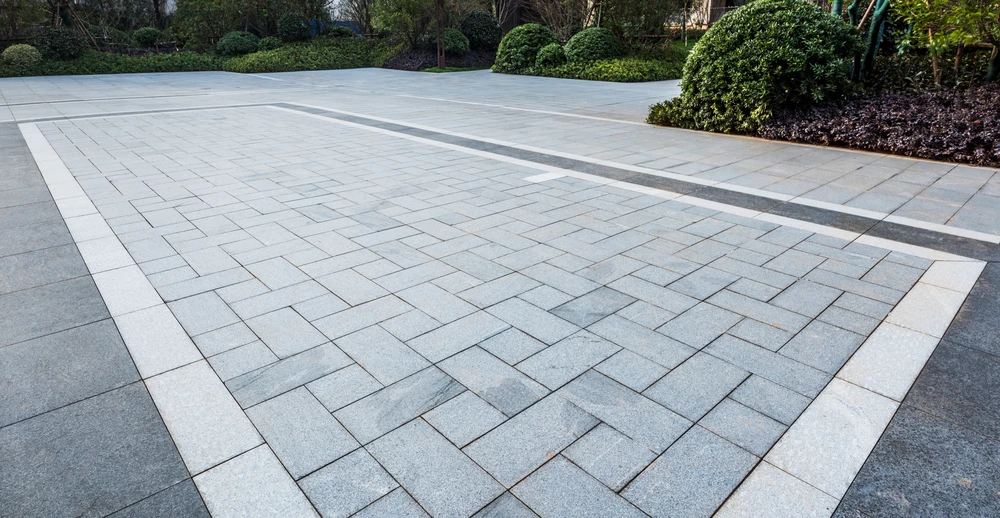
Picking pavers is the fun part, but the “right” choice depends on real daily use. A paver patio that gets full sun can feel hot in summer, so color matters more than people think, and texture matters for bare feet. Homeowners should also consider the finish, because some pavers hide stains better, while others show every leaf mark and grill drip. Thickness matters too, especially if the patio will hold heavy planters or if a small vehicle might roll across it for yard work. In hardscaping, the goal is not just a pretty surface; it is a surface that fits how the homeowner actually lives.
Joint sanding and sealing are also worth discussing before installation. A paver patio can be installed with different joint materials, and the choice affects how weeds, ants, and shifting joints are handled later. Some homeowners love the look of tight joints and clean lines, but they should know what maintenance that look requires in a real yard. A good contractor will explain what the homeowner can expect after the first heavy rain, because the surface will settle slightly as everything locks together. It is also smart to talk about edge transitions into grass or beds, because that is where trimmers and mowers bump into stone. A patio should feel comfortable to walk on and stay looking cared for without constant headaches.
Landscaping Touches To Blend Patio Into Yard
A patio looks best when the space around it is treated as part of the project rather than an afterthought. A paver patio can feel harsh if it ends abruptly into patchy grass, but a simple border bed, a few well-chosen plants, and a clean mowing edge can make it feel finished. This is where landscaping can soften the look and also protect the patio, since plants can help control runoff and reduce splash-back dirt. Homeowners should consider what will happen in summer, when plants grow, because overgrown beds can trap debris and moisture against the pavers. Even small choices, like where to place a hose bib or where to store a grill cover, affect how the space works day to day.
It also helps to think about the view from inside the house. A patio is often seen through a back window more than it is seen up close, so the shape and surrounding plants should look good from that angle, too. Homeowners in Cedar Park, TX, sometimes have sloped lots, and that can make the patio feel like it needs a small step or a transition path to connect the space naturally. Homeowners should also plan for lighting, because evenings are when patios get used most, especially once spring turns into hotter months. Another mention of Austin, TX, belongs here, too, because many yards in the area experience quick weather swings that can blow mulch, soil, and debris right where no one wants it. A patio that blends into the yard stays more inviting, even when life gets busy.
Conclusion
A patio project goes smoothly when the yard, drainage, base, and materials are treated like one connected plan. Homeowners who ask the right questions early usually avoid uneven settling, water pooling, and those small annoyances that grow into big repairs. At Adam's Lawn Service Austin, we care about high-quality results and superb customer service, because homeowners deserve to feel confident from the first conversation to the final sweep.If you are thinking about building a new outdoor space, contact us, and we will help you map out the best next steps.